
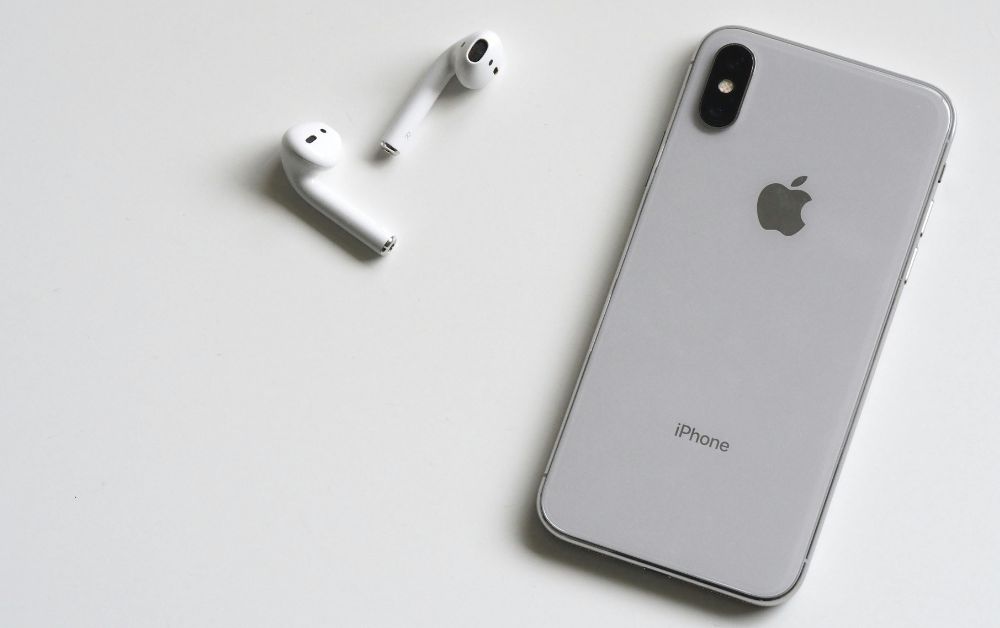
The term iPhone 6c refers to one of the most talked-about Apple rumors in the mid-2010s—a supposed compact version of the iPhone 6 lineup that enthusiasts expected would follow the colorful design of the earlier iPhone 5c. While Apple never released a device officially called the iPhone 6c, the keyword remains popular because of speculation, leaks, and discussions that circulated for years. Many Apple fans continue to wonder what the device might have looked like, what features it could have offered, and why Apple ultimately did not move forward with it. Understanding the fascination with the “iPhone 6c” also helps us understand Apple’s design decisions, shifts in mobile technology trends, and the market environment around the iPhone 6 era. This article explores the concept of the iPhone 6c, its rumored features, and the reasons it never materialized.
The Origins of the iPhone 6c Rumor
When Apple released the iPhone 5c in 2013, it marked a significant departure from the company’s typical design language. The 5c featured a colorful polycarbonate shell, vibrant marketing, and a lower price compared to flagship models. After this release, many expected Apple to continue offering “c-series” phones with the launch of the iPhone 6 generation. As soon as the iPhone 6 and iPhone 6 Plus were introduced in 2014, speculation began circulating about an iPhone 6c that would follow the previous formula: a slightly more affordable model with a colorful exterior and modern internal components. Rumors spread across tech forums, blogs, and social media, fueled by alleged leaks and supplier hints. Even though no official confirmation ever emerged, the idea persisted, capturing the interest of users who preferred smaller, more playful, and budget-friendly Apple devices.
What the iPhone 6c Was Expected to Offer
Had the iPhone 6c been released, many analysts believe it would have served as a bridge between the iPhone 5s and iPhone 6. Rumors suggested that the device would feature a 4-inch display, preserving the compact feel beloved by users who disliked the larger screen sizes that the iPhone 6 introduced. Additionally, the iPhone 6c was expected to include upgraded internal hardware—possibly an A8 or A9 processor, improved battery performance, and a refined camera system. In keeping with the iPhone 5c’s identity, the 6c would likely have showcased bright and colorful plastic housings. This design direction would have distinguished it visually while making it more durable and cost-effective. Its expected price point was rumored to be lower than the standard iPhone 6 models, aiming to attract budget-conscious buyers or younger users.
Why Apple Likely Cancelled the iPhone 6c
Despite strong speculation and user interest, several factors likely influenced Apple’s decision not to release an iPhone 6c. First, the iPhone 5c did not perform as strongly in the market as expected. While it gained a loyal following, it did not achieve the sales momentum of Apple’s flagship models, and the company may have decided that releasing another “c-series” phone would not produce a significant return. Second, the smartphone industry was rapidly shifting toward larger screens at the time. Apple likely recognized that consumer demand was trending toward bigger devices, meaning a 4-inch phone might have struggled to compete even within the company’s own lineup. Lastly, Apple may have chosen to consolidate its product line to simplify manufacturing and marketing. Instead of producing multiple mid-range models, Apple focused on expanding features in premium devices and later introduced the iPhone SE, which effectively filled the compact-device gap without needing a “c-series” identity.
How the iPhone SE Filled the Gap Left by the 6c
Many analysts and users consider the iPhone SE—first released in 2016—to be the spiritual successor to what the iPhone 6c was expected to be. The SE provided a compact design, powerful internals, and a more budget-friendly price, without relying on the colorful plastic style of the 5c. Instead, the SE used the metal body of the iPhone 5s while incorporating higher-end specifications similar to the iPhone 6s. This approach delivered the best of both worlds: small-phone convenience and top-tier performance. The success of the SE suggested that Apple’s decision to avoid the “c-series” branding may have been strategic. The SE line remains popular years later, with updated models reinforcing the idea that compact smartphones still have a dedicated audience.
The Impact of the iPhone 6c Concept on Apple’s Product Strategy
Even though the iPhone 6c never became a real product, the concept influenced the direction of Apple’s future device lineup. The strong interest in compact smartphones contributed to Apple’s recognition of a market segment that valued portability and affordability. This likely influenced the eventual creation of multiple generations of the iPhone SE. Furthermore, the discussions surrounding the 6c helped highlight the importance of budget-friendly iPhone options—a reality that Apple later addressed with mid-tier devices such as the iPhone XR, iPhone 11, and SE (2nd and 3rd generation). The legacy of the iPhone 6c lives on not as a physical phone but as a part of the broader conversation about how Apple should balance premium innovation with accessible products.
Why the iPhone 6c Still Interests Tech Enthusiasts Today
Despite being a device that never officially launched, the iPhone 6c continues to attract attention from tech fans, collectors, and Apple historians. The concept represents a “what if” moment in Apple’s timeline—a point where the company could have expanded its design identity but chose another direction. Enthusiasts often speculate about how the mobile market might have changed if Apple had continued using colorful polycarbonate shells, or how the branding might have evolved if the “c-series” had become a permanent part of the iPhone family. The rumor also reflects a period of rapid innovation and competition in the smartphone industry, making it an interesting subject for analysis.
Conclusion
The iPhone 6c remains one of the most notable “missing” devices in Apple’s history. While it never became a real product, the idea of a compact, colorful, mid-range iPhone captured the imagination of many users. Rumors suggested that it would have continued the design approach of the iPhone 5c, combined with the upgraded performance found in the iPhone 6 generation. Ultimately, Apple shifted direction and instead introduced the iPhone SE, which successfully met consumer demands for a smaller, more affordable device. Today, the iPhone 6c serves as an interesting piece of Apple speculation—a reminder of how product rumors shape expectations and influence future designs.
FAQs
1. Was the iPhone 6c ever released?
No. Apple never officially released an iPhone 6c, despite widespread rumors.
2. What features were the iPhone 6c expected to have?
Rumors suggested a 4-inch screen, upgraded internals, colorful plastic housing, and a lower price point.
3. Why didn’t Apple release the iPhone 6c?
Possible reasons include shifts in consumer demand, mixed performance of the iPhone 5c, and Apple’s focus on simplifying its product lineup.
4. Is the iPhone SE the replacement for the 6c?
Many consider the iPhone SE to be the spiritual successor, offering compact size and strong performance.
5. Why do people still search for the iPhone 6c today?
Because of long-standing rumors, curiosity about unreleased Apple devices, and interest in alternative design paths Apple could have taken.











Leave a Reply