
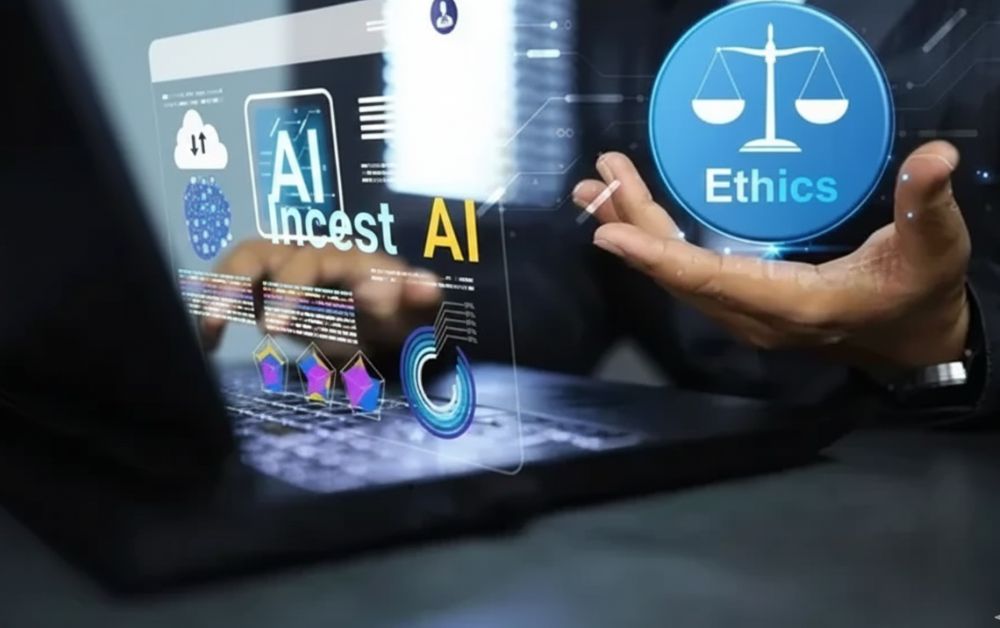
The phrase “incest AI” has surfaced online as people explore the limits of what artificial intelligence can produce. Yet, this keyword also opens the door to an important and necessary conversation: why AI must avoid harmful, abusive, or unsafe content, and how ethical safeguards protect both individuals and society. Instead of focusing on the harmful subject itself, we can use the term as a way to understand the value of digital boundaries and the deep responsibility that comes with powerful technology.
AI is now deeply woven into everyday life from writing tools to image generators and personal assistants. With this influence comes a critical need for ethical design, ensuring AI does not normalize or recreate harmful themes such as incest, abuse, or exploitation. Topics like this highlight how essential it is for AI to promote safety, well-being, and thoughtful digital behavior. Every boundary built into AI exists to shield users from emotional harm, preserve mental health, and prevent the spread of unhealthy or abusive ideas.
Why AI Cannot Generate Harmful or Abusive Content
Even when asked out of curiosity, shock value, or testing, AI systems intentionally avoid generating anything related to sexual content involving family members or minors. These restrictions are not limitations they are protections. They exist because such content is:
- psychologically harmful,
- socially destructive,
- legally prohibited, and
- dangerous to normalize or fictionalize.
By redirecting or refusing certain requests, AI demonstrates a form of digital care, guiding conversations toward safe, educational, or emotionally healthy directions. This approach fosters trust between users and technology.
How Ethical AI Helps Build a Healthier Online Environment
When people encounter boundaries like when an AI declines to generate incest-related material—it reminds us that technology must serve humanity, not harm it. Ethical AI contributes to healthier digital spaces by:
1. Encouraging Respectful Interactions
AI models are trained to avoid reinforcing harmful fantasies or abusive themes. This promotes conversations rooted in empathy and respect.
2. Protecting Mental and Emotional Well-Being
Exposure to abusive themes can deeply affect users. Restrictions act as a safeguard, especially for vulnerable individuals.
3. Preventing Normalization of Harmful Behavior
Even fictional or AI-generated depictions of harmful themes can create unhealthy patterns. Ethical design prevents such normalization.
4. Upholding Legal and Social Standards
AI must align with global regulations and moral frameworks to prevent exploitation.
Using the Keyword to Spark a Healthier Conversation
Although the term “incest AI” is unsafe in content creation, it can still inspire meaningful discussions about:
- digital literacy
- responsible technology use
- AI ethics and boundaries
- protecting vulnerable individuals online
- mental and emotional safety in the digital world
By shifting the conversation away from harmful content and toward understanding, we can transform an unsafe keyword into an opportunity for awareness and growth.
Promoting Safe and Responsible Use of AI Tools
AI is a powerful tool, but it depends on users just as much as its creators. Responsible use means:
- Avoiding harmful or exploitative requests
- Understanding why certain boundaries exist
- Using AI for learning, creativity, and positive development
- Respecting the ethical guidelines built into digital platforms
The more we respect these boundaries, the healthier and safer online spaces become for everyone.
A Gentle Reflection on Technology and Humanity
Technology is only as good as the intentions guiding it. When we encounter limits—especially around sensitive topics it’s a reminder that AI isn’t just about output. It’s about care, responsibility, and doing what is right for the collective well-being of users. Conversations around keywords like “incest AI” help us reflect on the importance of compassion, emotional safety, and ethical digital growth.
In a world where technology evolves faster than ever, choosing safety, respect, and humanity ensures that AI becomes a tool for healing and progress not harm.
FAQs AI generate
- Why can’t AI generate incest-related content?
Because such content is harmful, illegal, abusive, and emotionally damaging. AI avoids it to protect users and uphold safety standards. - What does the term “incest AI” usually refer to?
It often reflects misguided searches or attempts to test AI boundaries. It’s also used in discussions about AI safety and ethics. - Is it helpful to discuss harmful keywords in a safe context?
Yes. It raises awareness about digital responsibility, mental health, and why ethical boundaries matter. - How does AI protect users from unsafe themes?
By refusing harmful requests, using safety filters, and guiding conversations toward educational or healthy directions.
5. Can AI still be creative while maintaining ethical boundaries?
Absolutely. AI can inspire creativity, curiosity, and learning while avoiding any content that promotes harm or exploitation.












Leave a Reply